

The Lives Behind the Numbers
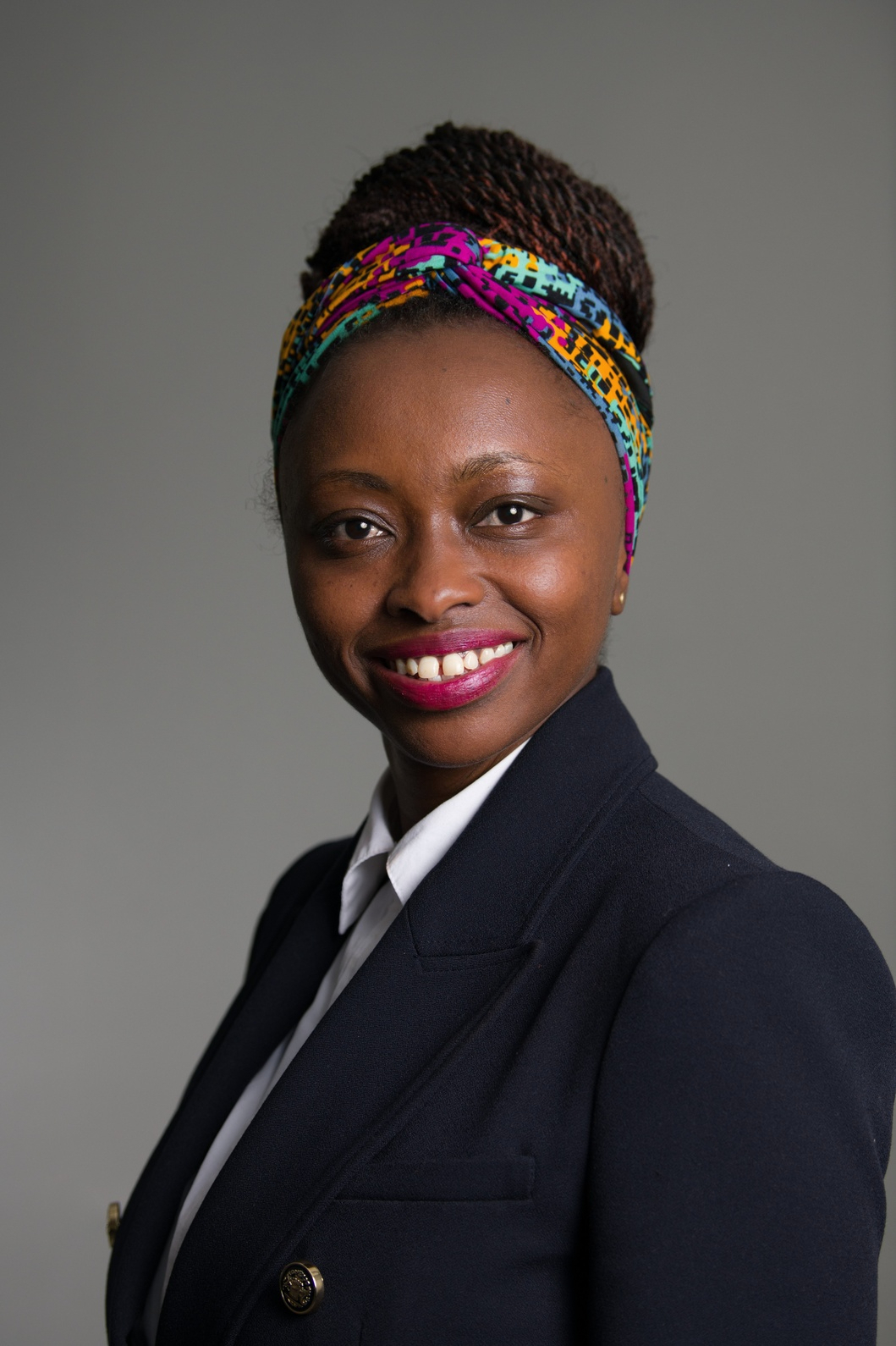

On this International Women’s Day, as the world celebrates the achievements of women, we must also confront a painful reality: millions of women and girls across Africa and the world still lack access to basic healthcare. Global funding cuts, shifting geopolitical priorities, and policy decisions are not abstract challenges; they have real, devastating consequences for the lives of women and girls.
I have seen these consequences firsthand. As a clinician who has worked in rural Kenya and in humanitarian settings, I have witnessed the stark disparities in healthcare access and outcome. Yet, one night in a refugee camp in Kenya remains etched in my memory—not just for its heartbreak, but for the urgent call to action it represents.
Imagine working in a remote, semi-arid hospital where temperatures exceed 40 degrees Celsius. Despite serving hundreds of thousands of refugees and local communities, it lacked some basic essential services, including surgical care. With no operating room, emergency cases had to be transferred—if an ambulance was available—to a distant facility with specialised care. The journey, often on treacherous roads, became impossible during the rainy season.
As clinicians, we were more than just doctors. We were public health educators, promoters, and caregivers, managing consultations, disease surveillance, and emergency care—all with inadequate resources. This stark reality highlights the systemic challenges in primary healthcare, leaving critical services inaccessible to many in low-resource settings.
On this fateful night during my night duty, I was urgently called to the maternity ward. A pregnant woman lay convulsing on the bed. The nurse struggled to take her vitals. She was HIV-positive and had missed several antenatal appointments. We had no proper diagnostic tools or even the required medicines for example magnesium sulfate (used to treat eclampsia), no functional blood pressure machine and only one oxygen cylinder for the entire hospital. As I fought to save her, she took her final breath. But there was still a life to fight for.
I had only read about cesarean sections performed on deceased mothers in textbooks. That night, under the dim glow of my flashlight, I became one of those clinicians. I delivered the baby boy, but it was clear he had suffered severe oxygen deprivation. He needed medical oxygen, medicine, and advanced neonatal care—none of which we had. Moments later, he, too, was gone. In his final moments, he looked at me, and in his eyes, I saw a silent message: "Thank you. You tried."
Two lives lost—not due to a lack of skill or effort, but because of inadequate access to healthcare, specifically essential medicines and diagnostics were out of reach.
As we champion gender equality today, we must recognize that health inequities are among the greatest barriers to women’s empowerment. The right to health is fundamental, yet for millions of women in limited resource settings and specifically in Africa, it remains an unfulfilled promise. And today, the crisis is worsening. A leaked memo from USAID’s Acting Assistant Administrator for Global Health, Nick Enrich, warns that if current funding cuts to lifesaving humanitarian assistance persist, 16 million women worldwide will be denied the healthcare they need.
The WHO estimates that every two minutes, a woman dies during pregnancy or childbirth, with 70% of these deaths occurring in sub-Saharan Africa. A report by UN agencies, Trends in Maternal Mortality, which tracks maternal deaths globally notes while there has been significant progress in reducing maternal deaths between 2000 and 2015, gains have largely stalled, or in some cases even reversed. These are not just numbers; they are mothers, daughters, and sisters—the backbone of our societies. And yet, to some policymakers, they remain statistics—collateral damage of decisions made.
With utmost urgency our African leaders must take ownership of the healthcare crisis. We can no longer afford to be passive recipients of aid that can vanish overnight. We must build resilient health systems, increase domestic financing, invest in local pharmaceutical manufacturing, invest in research and development for conditions/diseases affecting women and girls and craft policies that prioritize the needs of the African population. The time for dependency has passed—our women and girls cannot wait.
My experience in the refugee camp was not just a memory; it was a mandate for action. African governments, regional bodies, partners and private sector players must unite to ensure that no woman dies due to a lack of accessible medicine or care. Our continent has the expertise, the resources, and the determination—what remains is the will to act decisively.
This International Women’s Day should not just be a celebration; it must be a moment of reckoning. We must commit to making healthcare for women and girls not just an aspiration, but a reality. The future of Africa’s women and girls depends on it.


Comments